Wendy Krüger · 30 September 2026
Northvale Locals Revitalize Unused Land with Community-Led Garden Projects
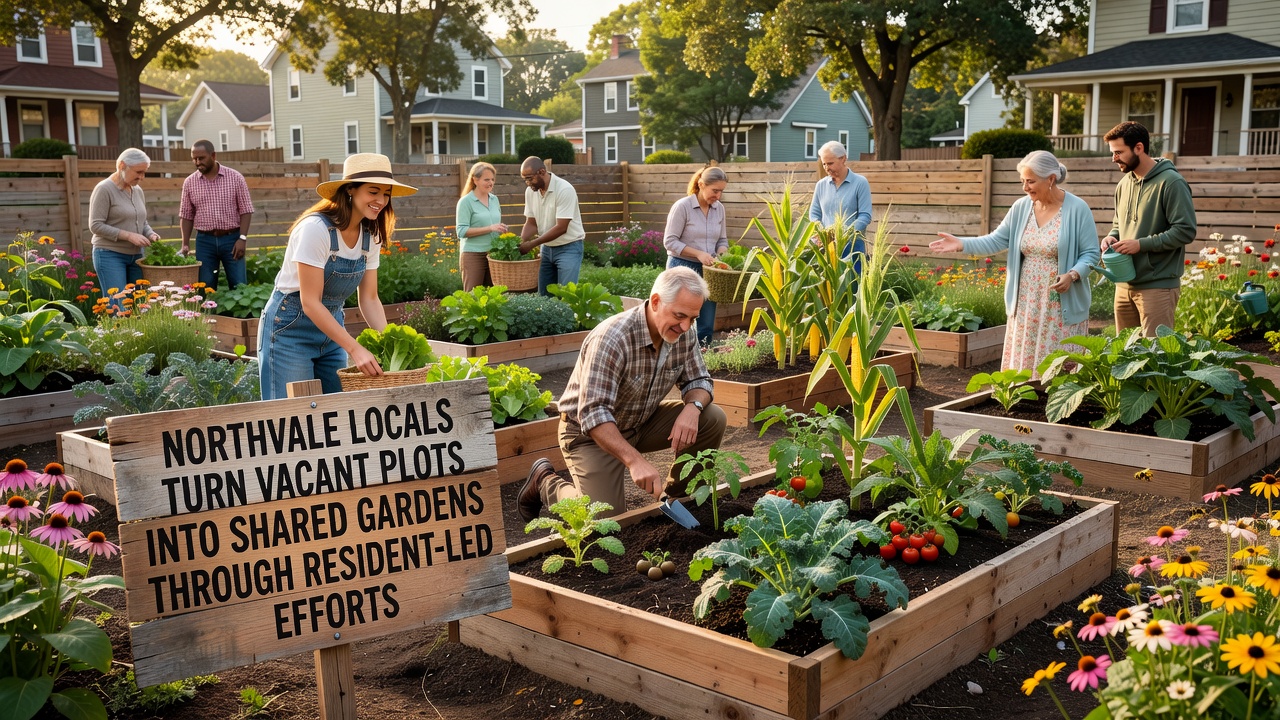
Northvale residents have organized themselves to convert several vacant plots into shared gardens through coordinated local efforts that began gaining momentum earlier this year, and the initiative continues to expand with new participants joining regularly. Groups formed around specific sites have cleared debris, tested soil conditions, and installed basic infrastructure like water access points along with raised beds made from reclaimed materials. These projects rely entirely on volunteer coordination rather than external funding at the outset, which has allowed quick starts on multiple locations simultaneously.
Origins of the Resident-Led Movement
Several neighbors noticed persistent underused land scattered across residential zones where previous development plans had stalled, and they began discussing options during informal street meetings that evolved into structured working groups by spring. One such group secured permission from property owners to use three plots on the eastern side of town, while another focused on a larger area near the community center that had remained empty for over five years. Data from similar urban greening projects shows that resident-driven models often achieve faster implementation than top-down approaches, according to reports on urban agriculture from environmental agencies tracking vacant land reuse across regions.
Meetings held in local halls allowed participants to divide tasks based on skills, with some handling logistics while others researched plant varieties suited to the local climate and soil types. This division helped maintain steady progress even as numbers fluctuated with work schedules and weather. By midsummer the first beds were planted with vegetables, herbs, and pollinator-friendly flowers that drew immediate interest from nearby households.
Practical Steps and Community Coordination
Each garden operates under simple shared rules established through consensus at the initial planning stages, covering everything from watering schedules to harvest distribution among contributors. Tools get stored in locked sheds funded through small donations and occasional sales of excess produce at pop-up stalls. Observers note that these arrangements reduce duplication of effort while building connections among people who previously had limited interaction despite living in the same area.
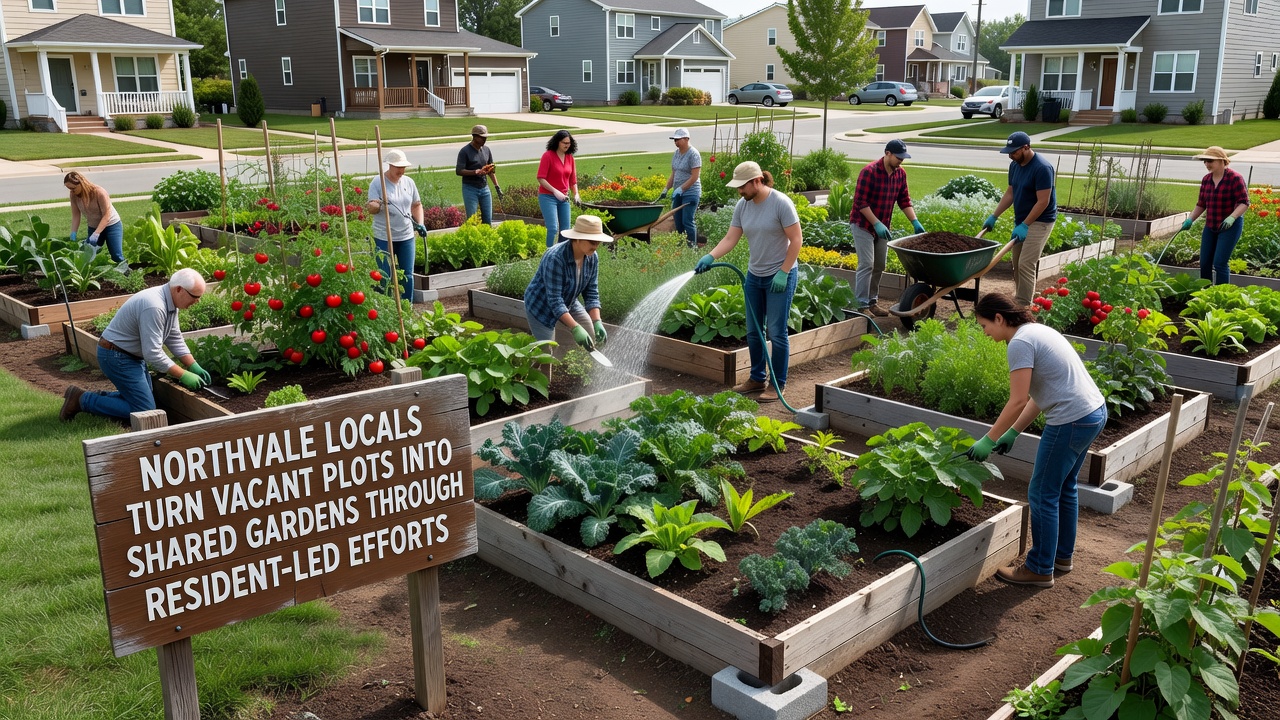
Soil remediation formed an early priority because many plots sat unused after industrial or construction activity, and volunteers brought in testing kits to identify necessary amendments before planting began. Compost generated from household food scraps now supplements purchased materials, creating closed-loop systems that lower ongoing costs. Those involved report that the physical work sessions also serve as informal social gatherings where knowledge about growing techniques passes between generations and experience levels.
Measured Outcomes and Expansion Plans
Figures from the active sites indicate steady increases in both cultivated area and participant numbers, with harvest totals tracked monthly to demonstrate productivity. One garden produced enough leafy greens and root vegetables to supply regular shares for twenty households during peak season, while another emphasized educational workshops for school groups that visit on scheduled days. Research indicates that such community plots contribute to local biodiversity when diverse plantings attract insects and birds that were previously absent from the sites.
Plans for September 2026 include a coordinated open day across all participating gardens to showcase results and recruit additional volunteers ahead of the following growing season. Organizers have also begun mapping remaining vacant plots to identify candidates for future phases, prioritizing locations near higher-density housing where access to green space remains limited. Partnerships with nearby businesses have emerged for material donations, yet control stays firmly with the resident committees that originated the work.
Broader Context for Local Land Use
Urban gardening efforts like these align with patterns observed in other towns where resident action addressed gaps in official planning processes, and Northvale follows a similar trajectory without relying on large-scale grants. Information shared through neighborhood networks helps new groups avoid common pitfalls such as poor site selection or inadequate water planning. What's interesting is how quickly informal alliances formed around practical needs rather than abstract goals, allowing momentum to build organically from the ground level.
Continued monitoring of soil health and crop yields will provide data that future participants can reference when expanding to additional plots, and existing groups intend to document their methods for wider distribution. This approach keeps the focus on measurable results that benefit everyone involved while maintaining the resident-led character that started the projects.
Conclusion
Northvale's vacant plots have shifted from neglected spaces to productive shared gardens through sustained resident coordination that shows no sign of slowing, and the model continues attracting interest from adjacent areas. The combination of practical land management with community building has created outcomes visible in both the physical landscape and local social connections. As September 2026 approaches, the emphasis remains on scaling these efforts while preserving the volunteer-driven structure that made initial progress possible.